Gear and Safety
Softball Bat Rules and Standards
Understand softball bat standards, stamps, barrel sizes and the bat-check rules leagues use, so a bat is legal before the first pitch is thrown.
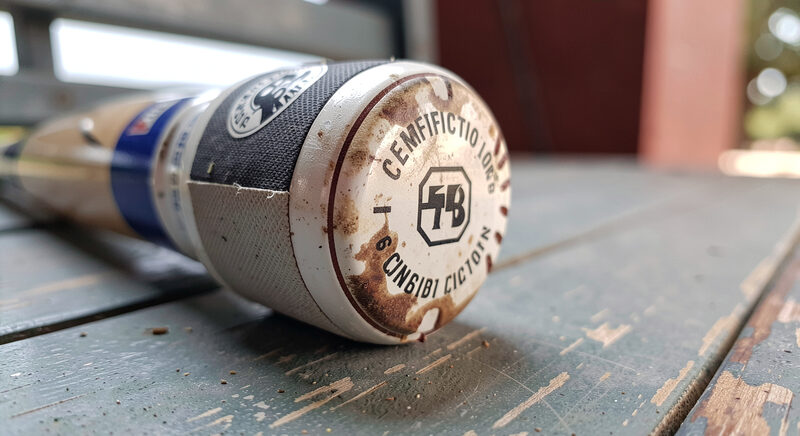
A softball bat is the one piece of equipment that can be rejected at the plate, and the rules around it confuse more new players than any other part of the game. Every adult league limits which bats may be used, and the limits are printed on the bat itself in the form of a certification stamp. Understanding those stamps, and the bat check that most leagues run, saves a player from buying a bat that never leaves the bag.
The rules exist for two reasons. First, safety, because a bat that is too hot can send a ball back at a pitcher faster than they can react. Second, fairness, because a league wants the game decided by players rather than by equipment. Knowing the rules is part of being a good teammate, and it starts with the certification mark.
What Are Bat Certification Stamps
Governing bodies such as USA Softball and USSSA certify bats for play and mark them with a stamp. The stamp shows that the bat has met a performance standard and is legal for the leagues that adopt that body's rules. A bat may carry one or more stamps, and a league will specify which stamps it accepts. A bat without an accepted stamp is not legal, no matter how well it performs.
The stamp is usually printed on the taper or the barrel, near the grip. A player should find it before buying, because the same model may be sold in both certified and uncertified versions. The guide on gear and safety explains where the bat fits among the rest of the equipment a player needs.
What Do the Numbers on a Bat Mean
A bat is described by its length in inches and its weight in ounces. The difference between the two is called the drop, written as a negative number. A 34-inch bat that weighs 24 ounces has a drop of minus 10. A larger drop means a lighter bat, which is easier to swing fast. A smaller drop means a heavier bat, which can hit the ball harder but is harder to control.
Slow pitch bats often carry a larger drop, because bat speed matters more than mass in a game where the ball is pitched softly. Fast pitch bats are usually lighter and shorter. A player should choose a bat they can swing through the zone without dragging, because a bat that is too heavy produces a slow swing and weak contact. The guide on how to hit a softball explains how bat weight and swing speed affect contact.
What Is a Bat Check
Many adult leagues require every bat to be inspected before the season. A board member or a league representative checks the bat for the required stamp, looks for damage, and applies a sticker to show that it passed. Only bats with a current sticker may be used in a game. Some leagues charge a small fee for the sticker, and some allow the first bat free.
The bat check protects everyone. It keeps altered or damaged bats out of play and gives the league a way to enforce the rules. A player should arrive early on the first night so the bats can be checked before the game starts. A team that ignores the check may find itself without a legal bat in the first inning. The guide on league news and the season rhythm explains when the check appears in the season.
What Makes a Bat Illegal
A bat can be illegal for several reasons. It may lack the required stamp. It may be altered, meaning the barrel has been shaved or the bat has been rolled to increase performance, which is banned and dangerous. It may be cracked or dented, which affects both performance and safety. It may exceed a size or weight limit that a particular division enforces.
Some leagues also restrict the type of bat by division. A recreational division may allow only single-wall or wooden bats to keep the game fair for casual players. A competitive division may allow composite bats with the proper stamp. A player should read the local rules before buying, because the same bat can be legal in one division and banned in another.
Wood, Aluminum or Composite
Bats come in three main materials. Wood bats are traditional and are often required in certain divisions because they limit performance. Aluminum bats are durable and affordable and are common in recreational play. Composite bats are made from layered materials and offer a larger sweet spot and more performance, but they are more expensive and are subject to stricter rules.
For a new player in a recreational league, an aluminum bat with the correct stamp is usually the best value. It is durable, forgiving and easy to find in a light weight. A composite bat is worth considering only once a player knows the league's rules and has a consistent swing. The section on skills and drills explains how to build that swing first.
How Do You Take Care of a Bat
A bat lasts longer with basic care. Keep it out of extreme heat, such as a closed car in summer, because heat can damage the resin in a composite bat. Do not use a bat in cold weather below the manufacturer's recommended range, because cold makes composite bats brittle. Avoid hitting the ball off the end or the handle, which stresses the bat and shortens its life.
Store the bat in a bag rather than loose in a trunk, and check it for cracks or dents at the start of each season. A damaged bat should be retired, not used until it fails. A bat is a tool, and a player who takes care of it gets more seasons out of it.
Where to Start
Start by reading the league's bat rules and finding out which stamps it accepts. Then buy a bat with the correct stamp in a weight you can swing fast. Bring it to the first night for the bat check, and keep it out of the heat. A legal bat that fits your swing will help more than an expensive bat that does not.