Skills and Drills
Skills and Drills
Build the basics of the adult game: a repeatable swing, base running, throwing, catching and knowing what each field position actually does.
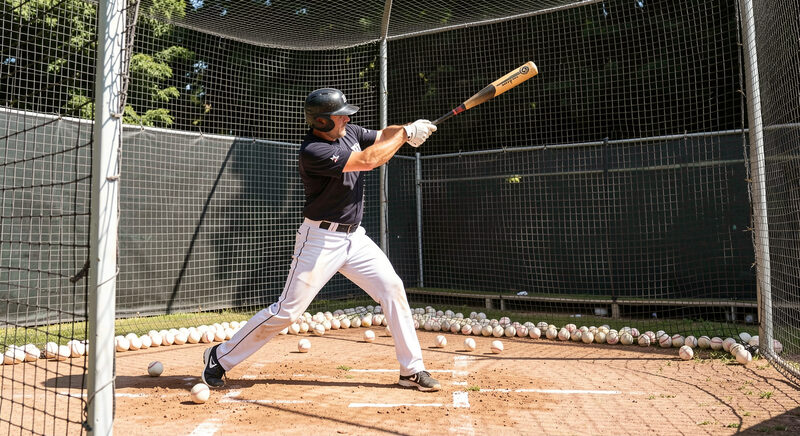
Adult softball rewards a small set of skills that almost anyone can build. The game is slower than baseball, the ball is larger and softer, and the field is smaller, so raw athleticism matters less than repetition and calm. A player who learns one repeatable swing, one reliable throw and one honest read of a ground ball will help a team far more than someone who swings hard and hopes.
This section gathers the fundamentals that show up every week: hitting, running the bases, throwing, catching and the logic of each position. None of it requires a coach standing over your shoulder. Most of it can be practiced in a cage, a driveway or a park with a friend and a bucket of balls.
Why Does a Repeatable Swing Beat a Hard Swing
The single biggest mistake new adult players make is trying to hit the ball as far as possible on every pitch. A swing that changes shape from one pitch to the next is a swing that misses, and a miss in slow pitch is usually a weak pop-up or a ground ball straight to a fielder. A shorter, repeatable swing puts the ball in play more often, and in a recreational league, putting the ball in play is how runs happen.
A good softball swing starts from a balanced stance with knees slightly bent and weight centered. The hands stay quiet until the pitch arrives, then the hips open first and the hands follow. Contact happens out in front of the plate, not deep over it, because a slow pitch is dropping as it reaches the batter. The full breakdown of stance, stride and timing lives in the guide on how to hit a softball.
How Do You Run the Bases Without Getting Thrown Out
Base running is the cheapest skill to improve because it costs nothing but attention. The rules of adult softball usually allow a runner to leave the base when the ball is hit or when it crosses the plate, and many leagues use a commitment line or a no-collision rule at home plate. Knowing those local rules prevents the most common and most avoidable outs.
The habits that matter are simple. Run through first base, not to it. Round the corner on a base hit and read the outfielder before deciding to take the extra base. Never assume a play is over until the umpire calls time. A team that runs the bases well turns routine singles into scoring chances, and it pressures a defense that is used to casual play.
What Makes a Throw Accurate Instead of Strong
Beginners chase arm strength and neglect footwork, which is backwards. Accuracy comes from getting the body in line with the target before the throw leaves the hand. Catch the ball with two hands when possible, move the feet to square up, then throw overhand with a short, clean release. A throw that arrives chest-high on one hop beats a rocket that sails into the fence.
On the infield, the goal is a quick transfer from glove to hand and a throw the first baseman can handle. In the outfield, the goal is to hit the cutoff player so the ball stays in the infield. Throwing to the right place matters more than throwing hard, and a team that hits its cutoffs will cut down more runners than a team with one strong arm.
How Do You Catch a Ball You Are Afraid Of
Many adults arrive at their first season with a real fear of the ball, and that fear is reasonable. The fix is technique, not courage. Watch the ball into the glove rather than turning the head, keep the glove between the ball and the face, and use two hands to secure the catch. For ground balls, get low with a wide base and field the ball out front so it does not bounce up into the chest or face.
Protective gear helps too. A fielder's mask or a pair of sunglasses can make a nervous player far more willing to stay in front of a ground ball. There is no shame in wearing gear that keeps you on the field. The section on gear and safety covers the equipment that makes the game safer for adults who did not grow up playing.
Which Position Should a New Player Try
New players often want to avoid the outfield or avoid the infield, and both instincts can be wrong. The outfield is a good place to learn because the ball arrives with more time to read it, and a player who can catch a fly ball is instantly valuable in a recreational league. The infield demands quicker reactions but rewards good hands and a calm head.
Every position has a job that a newcomer can learn in a week. The guide on softball field positions explained walks through all of them, from the pitcher and catcher to the four infielders and three outfielders, and explains what each one is really asked to do during a game. Knowing the job makes the position far less intimidating.
How Much Practice Does It Take to Improve
Adults do not need hours a day. Twenty minutes in a batting cage once a week, plus a few ground balls before a game, will show up in the box score within a month. The key is to practice one thing at a time and to practice it slowly enough to feel what is working. Swinging at forty pitches without a plan teaches nothing; swinging at twenty pitches while thinking about one cue teaches a lot.
Consistency also comes from the warm-up. A few easy throws to loosen the arm and a few light swings before the first inning prevent both injuries and slow starts. The heat and safety guide explains why a proper warm-up matters even more in summer, when the body is already working hard just to stay cool.
Where to Start
A new player can begin with the swing, because hitting is the skill that most directly produces runs, and then add base running and throwing. Fielding and position sense follow with reps. The league play section explains the game itself, and the community and culture section explains the teams, tournaments and people around it. Build the skills first and the rest of the season gets easier every week.
Skills and Drills
How to Hit a Softball
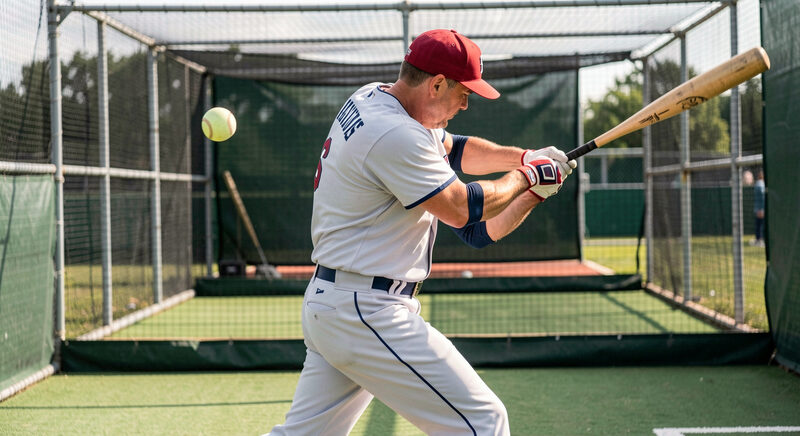
Build a repeatable softball swing: a balanced stance, a short stride, hip and hand timing, contact out front, and drills that fix a slow bat.
Stance, stride, hips and contact out in front of the plate.

Skills and Drills
Softball Field Positions Explained
Learn every softball position, from pitcher and catcher to the four infielders and three outfielders, and what each one is really asked to do.
Nine jobs on the diamond, each learnable in a week.