Skills and Drills
Softball Field Positions Explained
Learn every softball position, from pitcher and catcher to the four infielders and three outfielders, and what each one is really asked to do.
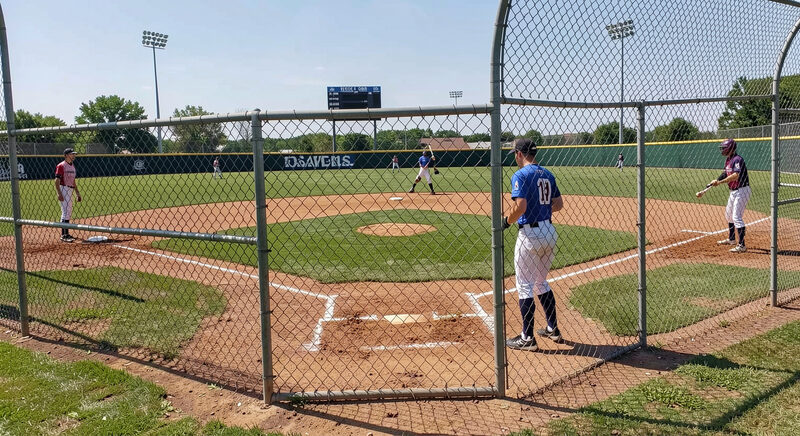
A softball diamond has nine positions, and each one has a job that a new player can learn in a week. The positions are not interchangeable. A catcher does something different from an outfielder, and a shortstop does something different from a first baseman. Knowing what each position is asked to do turns a confusing game into a set of clear tasks, and it helps a player find the spot where they can contribute most.
The field divides into three zones: the infield, the outfield and the battery, which is the pitcher and catcher. Nine players cover those zones, and the rules about who can play where are simple. The real complexity is in the responsibilities, and those are easier to understand position by position.
What Does the Pitcher Do in Slow Pitch
In slow pitch, the pitcher is less of a strikeout artist and more of a facilitator. The job is to throw a hittable ball on an arc, usually between six and twelve feet high, into the strike zone so the batter can put it in play. The pitcher wants contact, because a defense behind them can turn contact into outs. Pitching in slow pitch is about consistency and control, not velocity.
The pitcher is also a fielder. After the release, the pitcher is close to the batter and often has the shortest throw to first base on a bunt or a weak ground ball. A pitcher who fields the position well turns would-be hits into outs, and a pitcher who cannot field becomes a hole in the infield defense.
What Does the Catcher Do
The catcher is the field general of the defense. The catcher sets up behind the plate, receives the pitch, and controls the runners. On a steal or a wild pitch, the catcher is the one who throws to the base. The catcher also watches the field and can direct the defense on where to throw the ball. In adult leagues, the catcher position is often shared, because it is hard on the knees.
A good catcher is a gift to a team. The catcher settles the pitcher, keeps the ball in front, and makes the routine plays that prevent runs. A team without a reliable catcher gives away bases on every pitch in the dirt. The guide on skills and drills covers the catching and throwing fundamentals that make the position manageable.
What Do the Infielders Do
The infield has four positions: first base, second base, third base and shortstop. First base handles the most throws and needs a sure glove and a long reach. Second base covers the right side of the infield and often takes the throw on a double play. Third base guards the line and fields the hardest-hit balls. Shortstop covers the most ground and is usually the best athlete on the infield.
The infield's main job is to turn ground balls and pop-ups into outs. That means fielding the ball cleanly, making the right throw, and knowing where the play is before the ball arrives. An infielder who thinks one step ahead, calling out the number of outs and where to throw, keeps the defense calm. The guide on how to hit a softball explains the swings that produce the ground balls the infield lives on.
What Do the Outfielders Do
The outfield has three positions: left field, center field and right field. Center field covers the most ground and is usually the fastest outfielder. Left and right field guard the lines. The outfield's job is to catch fly balls, cut off balls hit into the gaps, and throw to the cutoff player so the ball stays in the infield.
The outfield is a good place for a new player, because the ball arrives with more time to read it. A player who can catch a fly ball and hit the cutoff is valuable immediately. The outfield also backs up throws to the bases, which prevents the extra base that turns a single into a run. Positioning matters: an outfielder who plays where the batter tends to hit saves the team runs without touching the ball.
How Do You Learn Your Position Fast
The fastest way to learn a position is to watch the ball and the runners, not just the batter. Before each pitch, ask where the play is. If there is a runner on first and fewer than two outs, a ground ball to the left side is a double-play chance. If there is a runner on third and a fly ball is hit to the outfield, the runner may tag up. Knowing the situation tells you where to throw before the ball is hit.
Communication helps too. Call the ball when you can catch it, and let a teammate know when you are throwing to their base. In adult softball, where players may not have played together long, a few words prevent most collisions and missed plays. The section on community and culture explains how teams build the trust that makes communication easy.
Which Position Fits a New Player
A new player who can catch should try the outfield, where the pace is slower and the ball is easier to read. A new player with quick hands can try second base or third base. A player who wants to be involved in every pitch can try pitcher or catcher, though both demand focus. The best approach is to try a few positions and find the one that feels natural.
A captain appreciates a player who is willing to play anywhere. The guide on joining a team as a free agent explains how to present yourself to a new team, and a flexible player is always easier to place. Learn one position well, then learn a second as a backup, and you will never be short of a spot on the field.
Where to Start
Start by learning the three zones and the job of each position. Then pick one position to practice and ask a teammate to hit you ground balls or fly balls before a game. Learn the situations, call the ball, and communicate. A player who knows their job and does it calmly will always have a place on an adult softball team.