Gear and Safety
Gear and Safety
Choose gear that fits the rules and keep players healthy: bat standards, balls, gloves, cleats, warm-up, heat, hydration and common injuries.
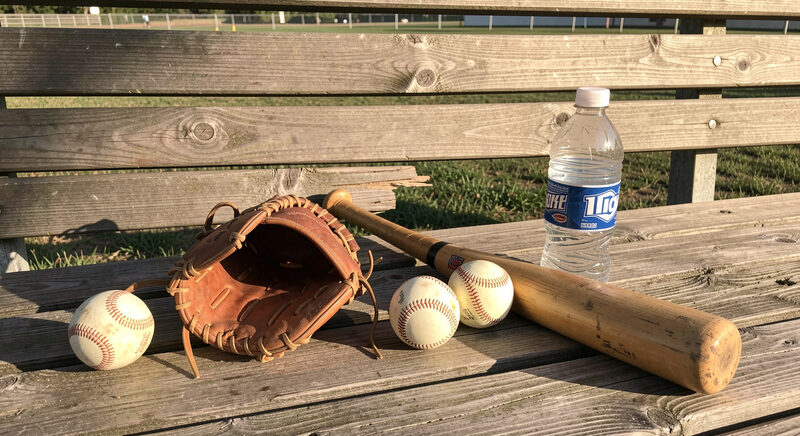
Adult softball is a low-contact game played by people with jobs, mortgages and knees that remember their twenties. That reality shapes the gear and the safety habits that matter. A bat that fits the league's rules, a glove that actually closes on the ball, cleats that grip a dry infield, and a water bottle within reach will do more for a season than any single piece of expensive equipment.
This section covers what to bring, what the rules require, and how to keep a body healthy through a long, hot season. It is written for the player who wants to play for years, not for one summer, and who would rather spend a little attention up front than a lot of time recovering later.
Why Do Bat Rules Matter So Much
Every adult league sets limits on which bats may be used, and those limits are not arbitrary. A bat carries a certification stamp, a length and weight, and sometimes a barrel diameter that the league accepts. Some leagues allow only single-wall or wooden bats in certain divisions to keep the game fair for everyone. A player who buys a bat without checking the local rules may find it rejected at the first at-bat.
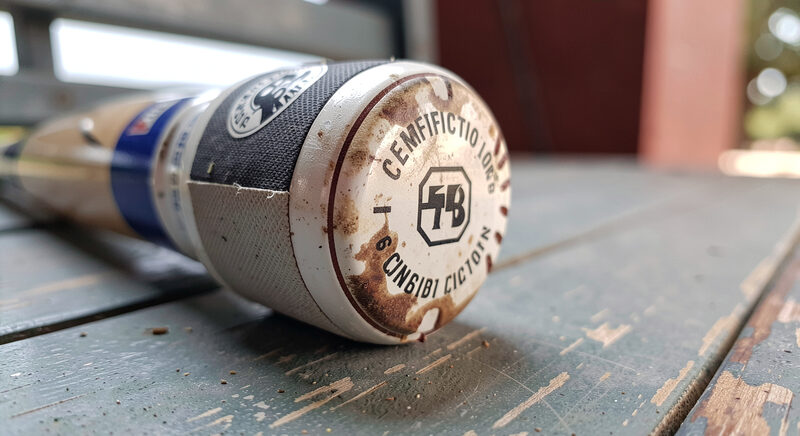
Leagues enforce this with bat checks, often at the start of the season. A checked bat gets a sticker, and only stickered bats may be used. The guide on softball bat rules and standards explains the stamps, the sizes and the check process, so a player can buy once and avoid the frustration of a bat that stays in the bag all season.
Which Glove Should an Adult Buy
A glove is the one piece of equipment worth trying in person. It should close easily around the ball, sit comfortably on the hand, and match the position being played. Infielders usually prefer a smaller glove that lets them find the ball quickly and transfer it to the throwing hand. Outfielders and catchers prefer a longer glove with a deeper pocket. A glove that is too stiff for a beginner's hand will produce dropped balls no matter how good the leather is.
There is no need to spend a fortune. A mid-range glove that fits well and gets broken in over a season will serve a recreational player for years. The bigger mistake is buying a large, stiff glove that never closes. Break it in properly, keep it dry, and store it away from heat, which can crack the leather and loosen the laces.
Do Cleats and Shoes Change the Game
Softball is played on dirt, grass and often a mix of both, and footing decides how quickly a player can move. Metal cleats are banned in most adult recreational leagues for safety reasons, so players use molded cleats or turf shoes. Molded cleats grip a firm infield well and are fine for the outfield. Turf shoes suit hard, dry fields and players who move between surfaces.
The right shoe also reduces injury. A shoe that slips on the infield can turn a routine play into a pulled hamstring or a turned ankle. Replace worn cleats before the tread disappears, and consider a shoe with good lateral support if you play the infield, where the first step is often sideways rather than forward.
How Do You Stay Safe in Summer Heat
Heat is the most common serious risk in adult softball, because games are played in the evening after a long, hot day and players often arrive already dehydrated. The body loses fluid and salt through sweat, and a player who drinks only at the game is behind before the first pitch. Water alone is not always enough during a doubleheader or a tournament weekend, when electrolytes matter as much as volume.
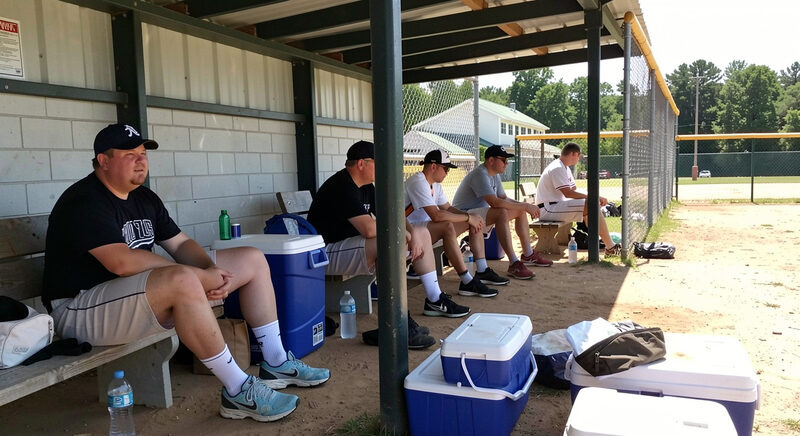
A simple routine prevents most trouble. Drink before arriving, keep a bottle in the dugout and sip between innings, take shade when the team is not on the field, and know the early signs of heat exhaustion: heavy sweating, weakness, dizziness, headache, nausea and muscle cramps. The guide on heat safety for softball players covers hydration, warm-up timing and what to do when a teammate starts to fade.
What Are the Most Common Adult Injuries
Softball injuries cluster in a few predictable places. Hamstrings pull when a player sprints to first without warming up. Ankles turn on uneven infield dirt. Shoulders ache from throwing without a proper warm-up or from throwing too hard after a long layoff. Fingers and hands take the occasional bad hop. Knees complain, especially in catchers and players who have played for decades.
Almost all of it is manageable with a few habits. Warm up the arm with easy throws before throwing hard. Stretch the legs after the game, not only before it. Wear gear that fits. Listen to pain early, when a week off fixes what a season of stubbornness will not. A player who takes care of the body in June is still playing in September.
What Should Live in the Bat Bag
A well-packed bag solves small problems before they become big ones. Beyond the bat and glove, a player should carry a water bottle, a small towel, sunscreen, a spare pair of socks, athletic tape, and any personal medication. A first-aid kit for the team is worth having, stocked with bandages, an ice pack and a cold spray for the inevitable bruise. Bug spray belongs in the bag for evening games near water or grass.
Keep the bag organized so a missing item is obvious. A player who knows exactly where the tape and the water are spends less time searching and more time playing. The section on skills and drills shows how to use a few minutes before the game to warm up and get ready, and the league play section explains the rules that decide what is allowed on the field.
Where to Start
Start with the rules, because they decide which bat and which cleats are legal. Then buy a glove that fits your hand and your position. Then build the habits that keep you healthy: hydration, warm-up and attention to pain. None of this is expensive, and all of it extends a playing career. The rest of the season is easier when the gear and the body are ready before the first pitch.
Gear and Safety
Softball Bat Rules and Standards
Understand softball bat standards, stamps, barrel sizes and the bat-check rules leagues use, so a bat is legal before the first pitch is thrown.
Stamps, sizes and the bat check that starts the season.
Gear and Safety
Heat Safety for Softball Players
Play summer softball safely with hydration, shade, warm-up timing and the early signs of heat exhaustion, plus a simple routine for doubleheaders.
Hydration, shade and the early signs of heat illness.