Gear and Safety
Heat Safety for Softball Players
Play summer softball safely with hydration, shade, warm-up timing and the early signs of heat exhaustion, plus a simple routine for doubleheaders.
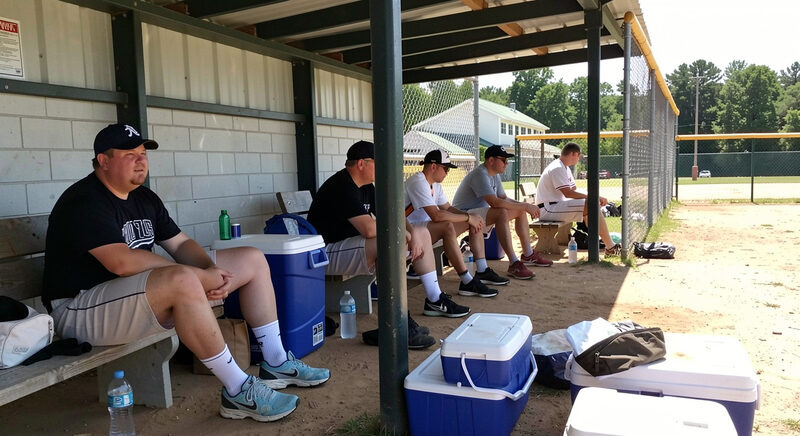
Adult softball is often played in the heat of a summer evening, after a long day of work, on a field that has been baking in the sun. That combination makes heat the most common serious risk in the sport. A player who arrives already dehydrated and then runs the bases in ninety-degree weather is asking the body to do more than it can, and the result can range from cramps to a medical emergency.
Heat illness is preventable, and the prevention is simple. It comes down to drinking before you are thirsty, taking shade when you can, warming up sensibly, and knowing the early signs that a teammate is in trouble. A little planning keeps a player on the field and out of the emergency room.
Why Does Hydration Start Before the Game
The body loses fluid and salt throughout the day, long before the first pitch. A player who drinks only during the game is already behind. The fix is to drink water steadily during the afternoon and to arrive at the field hydrated. For a doubleheader or a tournament weekend, plain water may not be enough, because the body also loses electrolytes through sweat.
A sports drink can help during long, hot events, but it is not a substitute for water throughout the day. The practical rule is to drink water regularly and to add an electrolyte drink when the event lasts more than an hour or when the heat is severe. The guide on gear and safety explains what to keep in the bat bag for a hot season.
How Do You Warm Up in the Heat
A warm-up is still necessary in the heat, but it should be shorter and gentler. The goal is to loosen the arm and the legs, not to exhaust the body before the game. Easy throws, a few light swings and some dynamic stretching are enough. Save the hard throwing and the sprinting for the game itself.
Timing matters too. A player who warms up in the full sun before a game adds to the heat load. Warm up in the shade when possible, and start the warm-up later so the body does not sit hot and idle before the first pitch. The guide on skills and drills explains the warm-up routine that works in any weather.
What Are the Signs of Heat Exhaustion
Heat exhaustion is the body's warning that it is losing the battle against the heat. The signs include heavy sweating, weakness or fatigue, dizziness or lightheadedness, headache, nausea, muscle cramps and cool, clammy skin. A player with these signs needs to stop playing, move to shade, drink fluids and cool down. Ignoring them can lead to heat stroke, which is a medical emergency.
Heat stroke is far more serious. The signs include a high body temperature, hot and dry or damp skin, confusion, slurred speech, and loss of consciousness. A player showing these signs needs emergency medical help immediately. The team should call for help and begin cooling the player while waiting. Knowing the difference between exhaustion and stroke can save a life.
How Do You Keep Cool Between Innings
Between innings, the dugout is the player's best friend. Sit in the shade, take off a hat or a helmet, and sip water. A wet towel on the neck or wrists helps the body release heat. A small battery fan or a spray bottle can make a hot dugout far more bearable. The goal is to bring the core temperature down before the next trip onto the field.
Teams that play in extreme heat can also rotate players through the outfield, where there is more standing and less sprinting, and give the hottest players a break. A captain who watches the roster for signs of trouble prevents a medical problem before it happens. The guide on how a season schedule is built explains why doubleheaders in summer deserve extra care.
What Should You Wear and Carry
Light, loose clothing helps the body release heat. Light colors reflect the sun better than dark ones. A hat or a visor protects the face, and sunscreen prevents a burn that makes the heat harder to handle. Avoid heavy cotton that holds sweat against the skin, and choose a moisture-wicking shirt when possible.
In the bag, carry more water than you think you need, plus an electrolyte drink for long events. A cooler with ice and towels turns the dugout into a place to cool down. A small first-aid kit with a cold pack helps with cramps and minor injuries. The section on gear and safety lists the full set of items worth carrying.
What About Alcohol and Caffeine
Alcohol and caffeine both work against hydration. Alcohol increases fluid loss and impairs the body's ability to regulate temperature, and it is banned at most league fields for exactly that reason. Caffeine in large amounts can also contribute to dehydration and a faster heart rate. On a hot game day, water and electrolytes are the better choice.
A player who drinks at the field, where it is allowed, should follow it with water and should never drive afterward. The safest approach for a hot evening is to save the celebration for after the game, in the shade, with plenty of water nearby. The guide on league news and the season rhythm explains the alcohol policy that most leagues enforce.
Where to Start
Start by drinking water through the day before a game, not just at the field. Warm up gently and in the shade. Keep water and a cooling towel in the dugout. Learn the signs of heat exhaustion and heat stroke, and act early when a teammate shows them. Heat is the one opponent every team faces, and the team that prepares for it plays longer and safer.