League Play
How a Season Schedule Is Built
Follow how a league builds its season schedule around fields, nights, divisions and rainouts, and why some weeks look crowded and others open.
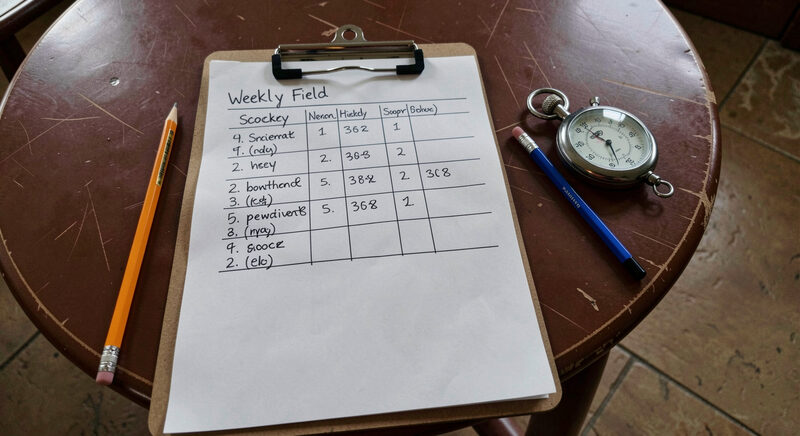
A season schedule is a puzzle with more constraints than pieces. A league has a fixed number of fields, a fixed number of nights, a fixed number of teams and a weather forecast it cannot control. Fitting every team into every available slot, while keeping the games fair and the season short enough to finish before winter, is harder than it looks from the dugout.
Understanding how a schedule is built explains a lot about a season. It explains why a team plays three games in one week and then sits for ten days. It explains why a rained-out night causes chaos in June. It explains why the same two teams seem to meet in the early evening every time. The schedule is a compromise, and once a player sees the constraints, the compromises make sense.
What Constraints Shape the Schedule
The first constraint is the number of fields. A league with four fields can run four games at once, which means four teams playing and four waiting. The second is the number of nights the fields are available, which depends on the owners and the lights. The third is the number of teams in each division, because a division needs an even number of teams for a balanced schedule, or it needs byes.
Add the length of the season, usually ten to fourteen weeks, and the need to leave room for playoffs, and the space runs out quickly. A scheduler is solving a math problem with too many variables and no perfect answer. Every schedule is a best effort, and every league has a story about the season the rain ruined.
How Do Divisions and Nights Fit Together
Most leagues group teams into divisions by night and by kind of play. Monday and Wednesday might be co-ed recreational, Tuesday might be a women's division, Thursday might be men's, and Friday might be a second co-ed night. Each division gets its own schedule, and a team usually plays within its division only, with occasional cross-division games for variety.
Keeping divisions separate makes the schedule fairer. A recreational team does not want to face a competitive team every week, and a competitive team does not want a walkover. Grouping by night also makes it easier for players to commit, because they know which evening to protect. The guide on league play explains how those divisions are organized and how a player picks one.
Why Do Some Teams Play Back-to-Back Games
Doubleheaders exist for a reason. When the number of teams does not divide evenly into the available slots, the scheduler pairs games to fill the field. A doubleheader can also be used to make up a rained-out night, or to compress a season that started late. For the players, a doubleheader is a test of stamina and hydration, and it is one of the few times the heat and safety rules really matter.
Teams that know a doubleheader is coming can prepare for it. Bring extra water, plan a lighter lineup for the second game, and keep an eye on the players who are struggling. A league that schedules doubleheaders responsibly will tell teams in advance and give them a break between games. The guide on heat safety for softball players covers how to handle a long, hot evening on the field.
What Happens When It Rains
Weather is the one constraint a scheduler cannot plan around. A rained-out night forces the league to choose between making up the games later or cancelling them. Most leagues try to reschedule, which means squeezing extra games into the remaining weeks and sometimes extending the season or using a doubleheader. Some leagues simply cancel and adjust the standings, which is why the rulebook usually explains how a cancelled game affects the final table.
The decision is rarely popular. Teams that lose a game to weather may lose a chance at a playoff spot, and teams that gain a make-up game may lose a free evening. A league that communicates the rain policy clearly at the start of the season avoids most of the arguments later. The notes on how to read softball standings explain how a cancelled or shortened season is reflected in the final table.
How Do Playoffs and Finals Fit In
Playoffs add a second schedule on top of the first. A league has to reserve fields and nights for the postseason, decide how many teams qualify, and choose between single and double elimination. A single-elimination bracket is quick and dramatic, but it can end a good team's season on one bad night. A double-elimination bracket is fairer but needs more games and more time.
Most adult leagues keep the playoffs simple: the top four or six teams qualify, and the bracket runs over one or two weekends. The schedule for the postseason is usually published before the regular season ends, so teams can plan. A player who wants a longer season should aim for a playoff spot, because the postseason is where the season earns its ending.
How Do You Read Your Own Schedule
A team's schedule is more than a list of dates. It shows the pattern of the season: which weeks are heavy, which are light, and where the tough opponents cluster. A captain who reads the schedule early can plan practices, arrange for substitutes on the thin weeks, and warn the roster about the doubleheaders. A player who reads it early can protect the right evenings and avoid conflicts.
The schedule also tells a team when to peak. A soft stretch is the time to work on the swing in a cage. A hard stretch is the time to keep everyone healthy and rested. The guide on how to hit a softball shows the drills worth doing between games, and the section on skills and drills covers the rest of the practice plan.
Where to Start
Start by printing the schedule or saving it where the whole team can see it. Mark the doubleheaders, the heavy weeks and the final week of the regular season. Then plan around it, from practices to substitutions to a night off before the playoffs. A season goes better when the schedule is understood before the first pitch, not after the first conflict.