Community and Culture
How Softball Tournaments Work
See how a weekend softball tournament runs: the draw and seeding, pool play, single or double elimination, run rules, time limits and tiebreakers.
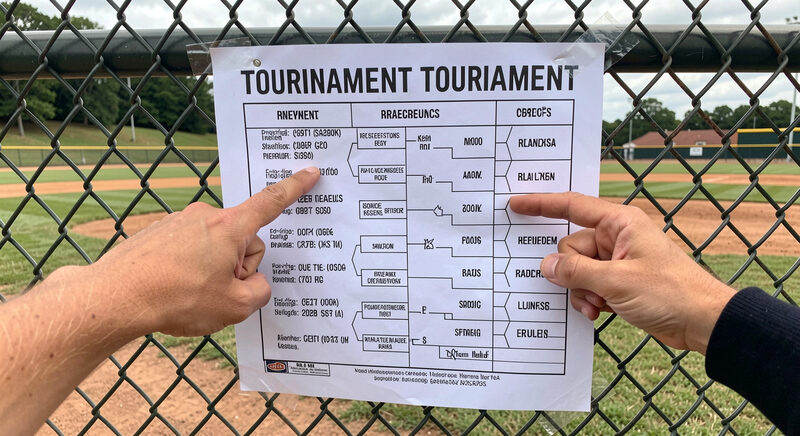
A weekend softball tournament is a different animal from a league season. In a league, a team plays a game a week for months and the standings decide the champion. In a tournament, a team might play five games in two days and the champion is decided by a bracket. The pace is faster, the stakes are higher, and the rules that keep the weekend on schedule matter as much as the play on the field.
Tournaments are also where adult softball feels most like a festival. Teams travel in, the fields fill from morning to night, and the event often raises money for a cause or crowns a mid-season champion. Understanding how a tournament is structured helps a player enjoy it and helps a captain plan for it.
What Is the Draw and How Does Seeding Work
A tournament begins with a draw, which places teams into the bracket. Some events seed teams based on their league record or a qualifying round, so the strongest teams are separated. Others draw at random, which can produce an early meeting between two favorites. The draw is usually published before the event so teams know their first opponent and their game times.
Seeding exists to reward performance and to keep the bracket balanced. A team that earned a high seed may get an easier first game or a later start time. A team that drew low may face a favorite in the first round. Either way, the draw is the map of the weekend, and a captain should study it before the first pitch. The guide on how to read softball standings explains how the seeding is often decided.
What Is Pool Play
Many tournaments begin with pool play, in which teams are grouped into pools and each team plays the others in its pool. The results of pool play set the seeding for the elimination bracket. Pool play gives every team several games before anyone is eliminated, which makes a long trip worthwhile and gives a team a chance to find its rhythm.
Pool play rewards consistency. A team that wins its pool earns a better seed and an easier path. A team that loses its first game can still advance with strong play in the rest of the pool. The points or tiebreakers used in pool play, such as run differential or runs allowed, are usually published in the tournament rules. A captain should know them, because a single run can change a seed.
Single Elimination or Double Elimination
The elimination bracket decides the champion. In single elimination, a loss ends a team's tournament. In double elimination, a team must lose twice to be eliminated, which is fairer but takes more games and more time. Double elimination is common in weekend events because it rewards a strong team that has one bad game, while single elimination is faster and more dramatic.
The choice affects strategy. In single elimination, a team saves its best pitcher for the game that matters most. In double elimination, a team can afford to lose the first game and must manage its pitching across a longer run. The guide on how adult softball leagues work explains how a season differs from a bracket, and why the two reward different skills.
What Rules Keep a Tournament on Schedule
A tournament packs many games into a short time, so it uses rules that a league season does not. Time limits cap each game, often at a set number of minutes, so the next game can start on time. Run rules end a game early when one team leads by a wide margin, such as ten runs after five innings. The mercy rule protects both teams from a long, lopsided game.
Tournaments may also use a tiebreaker to settle a game that reaches the time limit, such as starting the final inning with a runner on second base. These rules feel strange to a player used to a full league game, but they are what make a weekend possible. A team that understands them can manage the clock as well as the score.
How Do You Prepare for a Tournament Weekend
A tournament weekend is a test of stamina. A team may play three games on Saturday and two on Sunday, often in the heat. Preparation starts with the roster: bring more players than a league game requires, so no one has to play every inning. Bring more water than usual, plus electrolytes, shade and a cooler. Plan the meals and the rest between games.
Pitching depth decides many tournaments. A team with two reliable pitchers can survive a long bracket, while a team with one wears that pitcher out by Sunday. A captain should plan the pitching rotation in advance and stick to it, even when a game is close. The guide on heat safety for softball players explains how to keep a roster healthy across a hot weekend.
Why Tournaments Matter to a League
Tournaments do more than crown a champion. They raise money for a cause, bring teams from different leagues together, and give a community a shared event to rally around. Many tournaments honor a player or a family, and the entry fees go to a fund. That charitable purpose is one of the reasons adult softball has survived for generations.
A tournament also strengthens a league. It gives teams a goal beyond the regular season and a chance to measure themselves against unfamiliar opponents. A league that runs a good tournament earns a reputation and attracts teams the following year. The section on community and culture explains the volunteer work that makes those weekends happen.
Where to Start
Start by reading the tournament rules before you enter, paying attention to the format, the time limits and the tiebreakers. Then plan the roster, the pitching and the water. Arrive early, play the draw, and manage the clock. A tournament weekend is intense, but it is also one of the best experiences in adult softball, and a team that prepares for it plays its best ball.